I know RF engineers on projects that do not have access to counters and oss traces due to lack of security clearance.
Their status on project is unsure.
What is this Security Clearance?
Is it any exam?
Nope. It’s an assessment of your personal / criminal / socia l /immigration profile.
Depending on which level of SC is required, you might also be interviewed.
As age increases it gets more difficult because they assume you have established more personal contacts abroad.
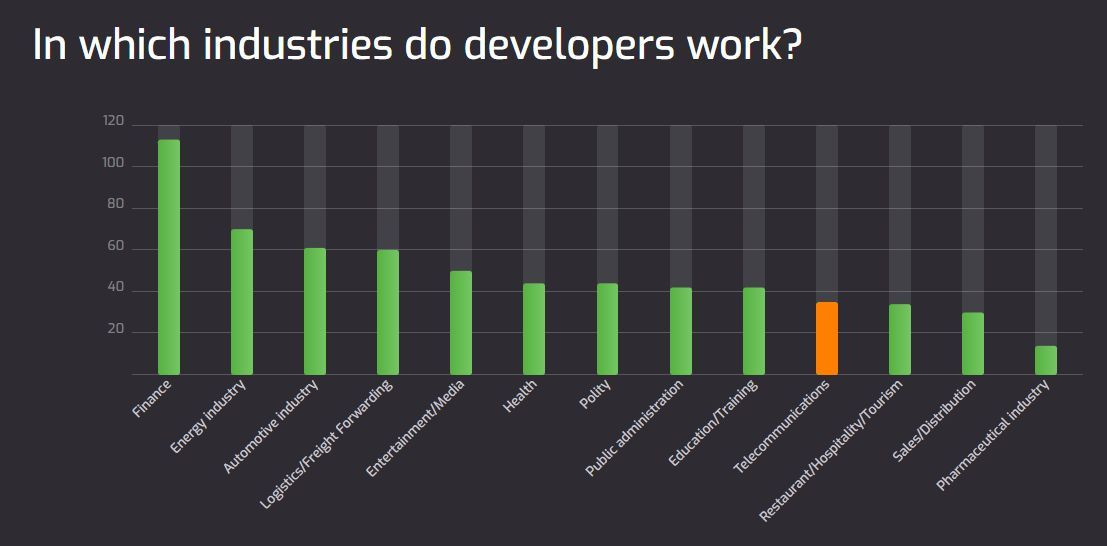
Alerant Zrt. surveyed IT professionals, about the Hungarian market, used technologies/languages, etc. It’s worth to read the whole report, this time I emphasize one chart only.
There is a strong focus in the telco sector, to provide IT services for customers, not just the connection. Also, never ever before the network deployment of my company faced so many simultaneous challenges: countrywide 4G coverage, 5G rollout, 3G sunset, network modernization, VF-UPC merging, new corporate customers, intelligent solutions…
It doesn’t work without proper applications, tools, reports - and developers supporting our job.
DevOps, Docker, Containter, K8/Kubernetes/AWS/GCP/Azure Cloud…
I’m seeing many buzz word for these.
Anyone have E2E material/slide/pdf that explain all these?
And most importantly: what is its use for Telecom Industry?
1 Like
All cloud concepts.
Make an account of acloud or cloude academy.
There is years of training material on these.
1 Like
5g core uses much of microservices as I understand… for the RAN part I think O-Ran will have its good share as well…
I always wanted to shift to that area …not sure is possible anymore for a RAN with many years on his back…
“new “kids” with no experience” - some time ago everybody were a kids with no experience.
When it comes to RF planning/optimization future for us, I believe that only someone who will be able to work together with new ML tools and keep learning technologies would defiantly benefit in the future.
Whereas, someone who still use old “only excel” methods for optimization/planning activities and don’t has mind flexibility will be fired or has to be change their work.
3 Likes
I think soo, data science seems like a will be over before we even know it. Business automation will shrink the need for the data science
3 Likes
These are some recent jobs offer, by Nokia: (as shared in Jobs Group, but you can also chek in Nokia Jobs Site https://aluperf.referrals.selectminds.com/):
 Open Positions available:
- Cloud Security Assessment Expert (France)
- Cloud operations Engineers (Portugal)
- Kubernetes Cloud Lab Expert Coop (USA)
- Cloud Ops Engineer (India)
- Cloud Ops DBA (India)
- Software Dev Cloud Co-op (USA)
- Cloud Infrastructure SRE (Hungary)
- Cloud Infrastructure SRE (Hungary and Israel)
- Working Student - Cloud & Network Services Engineer (Poland and Israel)
- Cloud Packet Core Project Technical Lead (PTL) (Italy)
- Cloud Program Manager (Telco) (Italy)
- Cloud Development Engineer (Portugal)
- Specification engineer, Cloud Infra Solution (Finland)
- Market Unit Leader - Cloud & Network Services (Latin America)
- Jr. Telco Cloud SW Dev Engineer (Canada)
- Cloud Architect (Australia)
- Technical Manager (Europe)
- Project Technical Lead (Portugal, Spain, Turkey and Hungary)
- Telecom Security Expert (France)
- Solution Engineer (USA)
- DevOps Engineer Working Student (Poland)
- Operation Director (Spain)
This position confirms the Nokia Strategy to move from a telecom vendor to and IT company!
That means RF optimization will diminish in the future, you mean?
I can see our expert in RF analysis are transferred to self automate AI models that can learn and take corrective action.
2 Likes
Yes, our domain is declining we need acquire some other skills, such as big data analysis, cloud computing, SDN/NFV…what do you think?
Can you share please if you have more information what’s exactly done?
1 Like
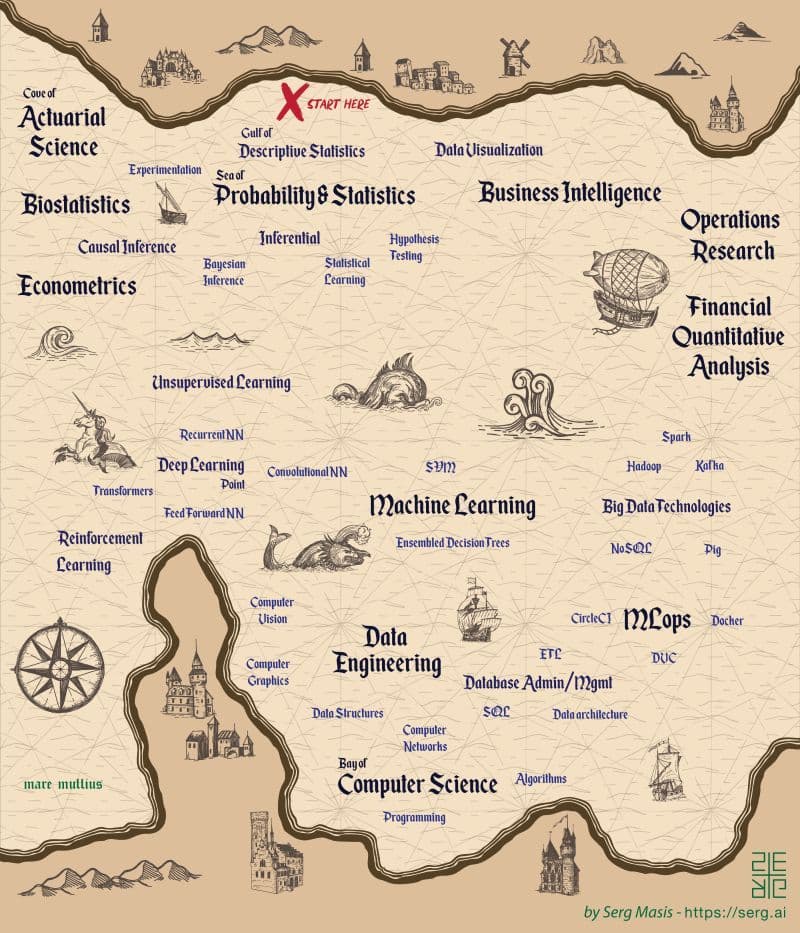
Who would’ve thought that telco engineers also need to become data scientists.
1 Like
Optimization in telecom refers to the process of improving the performance and efficiency of a telecom network. Here are some key areas where optimization is typically applied in telecom:
-
Network Capacity Optimization: Telecom networks must be able to handle large amounts of traffic, especially during peak periods. Network capacity optimization involves ensuring that the network can handle current and future traffic demands without becoming overloaded or experiencing congestion.
-
Radio Frequency Optimization: Radio frequency optimization involves tuning the radio frequency parameters of the network, such as power levels, modulation schemes, and channel assignments, to improve network coverage, capacity, and quality.
-
Network Planning and Design Optimization: Network planning and design optimization involves optimizing the placement and configuration of network elements, such as towers, antennas, and base stations, to ensure optimal coverage and capacity.
-
Resource Allocation Optimization: Resource allocation optimization involves ensuring that network resources, such as bandwidth and spectrum, are allocated efficiently to meet current and future demands.
-
Traffic Engineering Optimization: Traffic engineering optimization involves managing and prioritizing network traffic to ensure that high-priority traffic, such as voice calls and emergency services, is given priority over lower-priority traffic, such as data.
-
Energy Efficiency Optimization: Energy efficiency optimization involves minimizing the energy consumption of the network and its components, such as base stations and routers, to reduce operating costs and environmental impact.
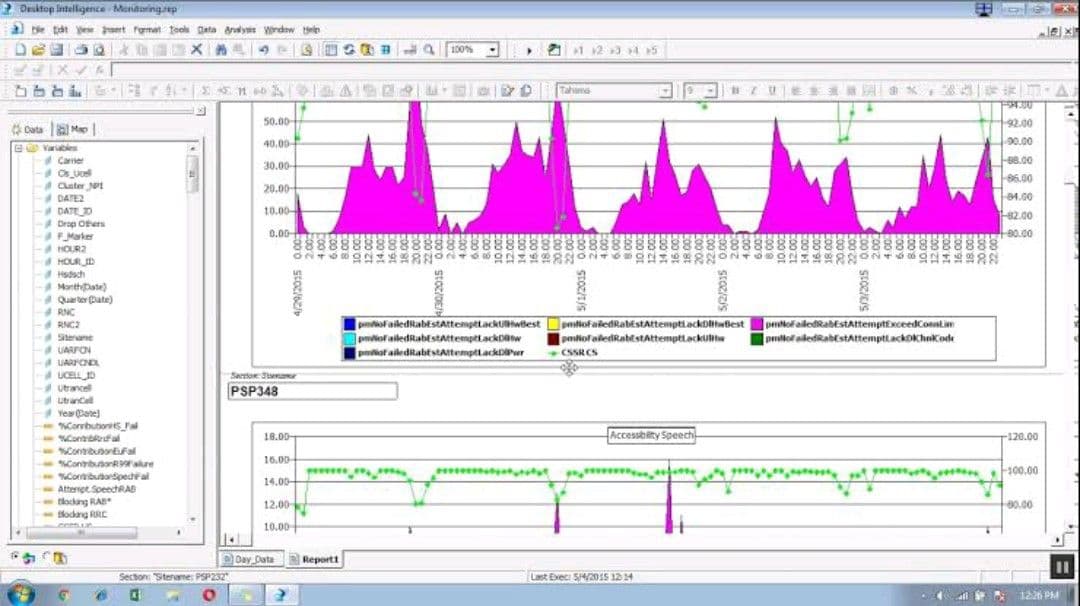
Credits: 
1 Like
automated models are still basic at least where I work. but they are improving time to time. the fact that many kpis are available for every day and every element of the network, can at some point give you some light and report some problems…
The topic focussed on 5G,but in today’s scenario as of August 2023, its more likely that AI would be reducing the demand of RF Engineers and most of other Tech Jobs. It almost seems that Gen AI will become a mandatory requirement of every team across the tech industry and eventually the domain knowledge experts will be cut short in numbers. So that will reduce RF engineer jobs and ofcourse other tech jobs.
2 Likes