Spectrum scarcity isn’t always real.
Sometimes, it’s just poor management of resources.
Spectrum scarcity isn’t the issue — inefficiency is.
I’ve seen plenty of spectrum go unused, not because it wasn’t there, but because it wasn’t shared wisely.
The smarter move? Sharing.
It adapts to real-time demand and keeps the system agile.
It’s fascinating how something invisible can be managed so dynamically.
It all begins with two ideas:
- Horizontal sharing
- Everyone gets equal access.
- It’s fair, predictable, and squeezes the most out of what’s available.
- Vertical sharing
- Primary users stay in control.
- It’s built for critical systems — emergencies, defense, and beyond.
But we didn’t stop there.
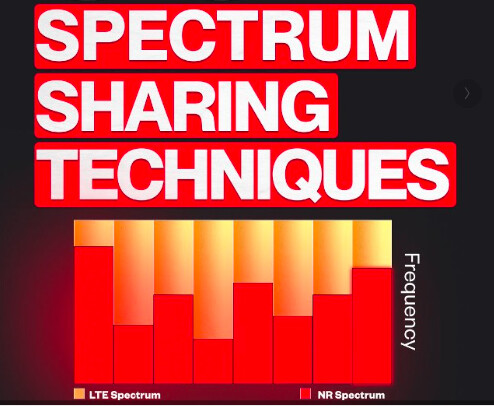
Dynamic Spectrum Sharing (DSS) changed the game.
 4G and 5G now share spectrum in real time.
 Centralized control keeps existing users safe.
 Network quality remains intact, even as demand spikes.
In licensed bands, operators trade and reuse spectrum — optimizing every MHz.
Unlicensed bands? That’s where innovation breathes freely, but responsibly.
It’s all about balance, flexibility, and maintaining quality.
So no, spectrum scarcity isn’t about running out.
It’s about how we use what’s already there.
For me, sharing isn’t a workaround — it’s the strategy.
Because managing spectrum isn’t about ownership.
It’s about orchestration.
Thanks for reading.
PDF: 
5G Spectrum Sharing Techniques (By Furqan Jameel).pdf (1.6 MB)
LinkedIn: