5G NR frame structure – not all slots are equal
Many online resources oversimplify how slot length works in 5G NR. This article explains what the 3GPP specification actually says — and why it matters.
The frame structure in 5G NR organises data scheduling between UEs and the network in a predictable way, while still allowing flexible, per-user scheduling. The basic idea is inherited from LTE: radio frames are 10 ms long and divided into subframes, slots, and symbols. Each symbol consists of a cyclic prefix (CP) followed by the useful sequence.
However, 5G NR introduces the concept of numerologies, which provide flexibility in how symbols are organised in both time and frequency — including different subcarrier spacings (SCS) and numbers of slots per subframe. LTE, by contrast, only supports 15 kHz SCS with two slots per subframe. One could describe LTE as using a fixed numerology, although the term itself was introduced with 5G NR.
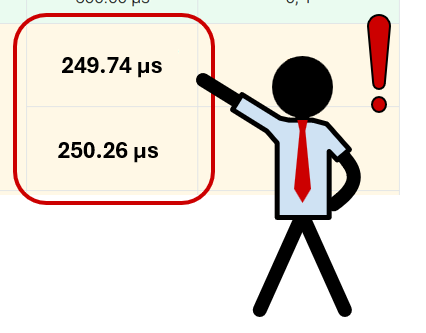
The high-level impact of numerologies on the frame structure is fairly well covered across online resources. However, there is a recurring and significant oversimplification in how different numerologies affect slot length. This article clarifies how slot length actually works in 5G NR, based directly on the 3GPP specification.
 Read the full article on ranawareness.com
 Follow RANawareness on LinkedIn
#5G #5GNR #3GPP #RAN